
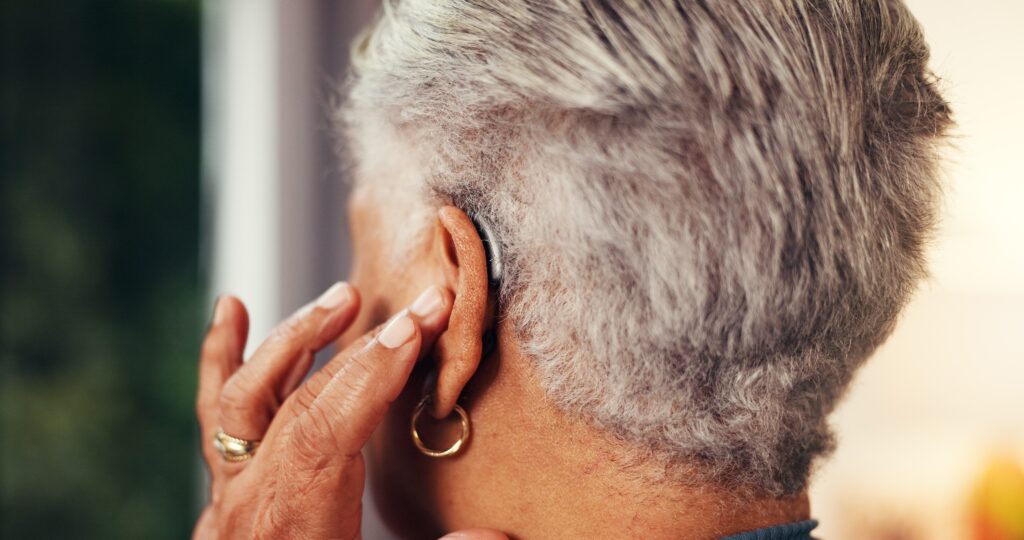
Hearing impairment is more than a condition that affects the ability to hear—it can significantly influence emotional well-being, mental health, and overall quality of life. While hearing loss is often associated with communication difficulties, its psychological effects are equally important and frequently overlooked. From social withdrawal and frustration to anxiety and depression, untreated hearing loss can have far-reaching consequences that extend well beyond hearing itself.
The Hidden Impact of Hearing Loss on Social Connections
Human interaction plays a vital role in emotional health and overall well-being. However, for people living with unmanaged hearing loss, everyday conversations at family gatherings, restaurants, or workplace meetings can become increasingly challenging.
Rather than repeatedly asking others to repeat themselves or struggling to follow conversations, many individuals gradually withdraw from social situations. This withdrawal is often a coping strategy to avoid frustration and mental fatigue rather than a desire to be alone. Over time, reduced social engagement can lead to loneliness, isolation, and a diminished sense of connection with others.
How Untreated Hearing Loss Affects Mental Health
Untreated hearing loss involves much more than missing sounds—it can affect nearly every aspect of daily life. The emotional burden of constantly working harder to communicate can place considerable strain on mental well-being.
Depression and Emotional Distress
Research has shown that adults with untreated hearing loss may have a higher risk of experiencing symptoms of depression. Continually struggling to understand speech, combined with feelings of exclusion during conversations, can contribute to sadness, frustration, reduced self-confidence, and emotional distress.
When left unaddressed, these emotional challenges can significantly affect personal relationships, work performance, and overall quality of life. Anyone experiencing persistent symptoms of depression should seek evaluation and support from a qualified healthcare professional.
Anxiety and Chronic Stress
Many people with hearing impairment experience ongoing anxiety about participating in conversations, answering phone calls, or hearing important announcements. This constant anticipation and effort to keep up with communication can create chronic stress.
Over time, prolonged stress may contribute to sleep disturbances, fatigue, difficulty concentrating, and reduced productivity, affecting both personal and professional life.
Hearing Loss and Cognitive Decline
Growing research suggests a significant association between untreated hearing loss and an increased risk of cognitive decline. Although hearing loss itself does not directly cause dementia, reduced auditory input may increase the brain’s workload as it struggles to interpret incomplete sound signals.
This additional cognitive effort may divert mental resources from other important functions such as memory and attention. Furthermore, reduced stimulation of the brain’s auditory pathways may contribute to long-term changes in brain function, highlighting the importance of early hearing care.
Restoring Quality of Life Through Hearing Care
The good news is that hearing loss can often be effectively managed. Early diagnosis and appropriate treatment can improve communication, enhance emotional well-being, and help individuals reconnect with family, friends, and everyday activities.
How Modern Hearing Aids Support Mental Well-Being
Today’s hearing aids do far more than amplify sound. Equipped with advanced digital technology, they help improve speech clarity, reduce listening effort, and enhance communication in challenging environments.
By making conversations easier and reducing communication-related stress, hearing aids can help restore confidence, encourage greater social participation, and improve overall emotional well-being.
Supporting Cognitive Health
Addressing hearing loss early may also help support long-term cognitive health. By improving access to sound, hearing treatment reduces the mental effort required to process conversations and helps keep the brain actively engaged.
Maintaining healthy auditory input supports communication, social interaction, and cognitive function, all of which contribute to healthy aging.
Take the First Step Toward Better Hearing and Mental Well-Being
The emotional effects of untreated hearing loss should not be overlooked. If you or someone you care about frequently asks others to repeat themselves, struggles to follow conversations, or avoids social situations because of hearing difficulties, it may be time to schedule a professional hearing evaluation.
Early intervention can do more than improve hearing—it can enhance emotional health, strengthen relationships, and support long-term cognitive well-being. With expert guidance and modern hearing solutions, many people can regain confidence and enjoy a fuller, more connected life.
Disclaimer: The information provided on this website is for educational and informational purposes only and should not be considered medical advice. Always consult a qualified healthcare professional for diagnosis, treatment, or personalized medical guidance.