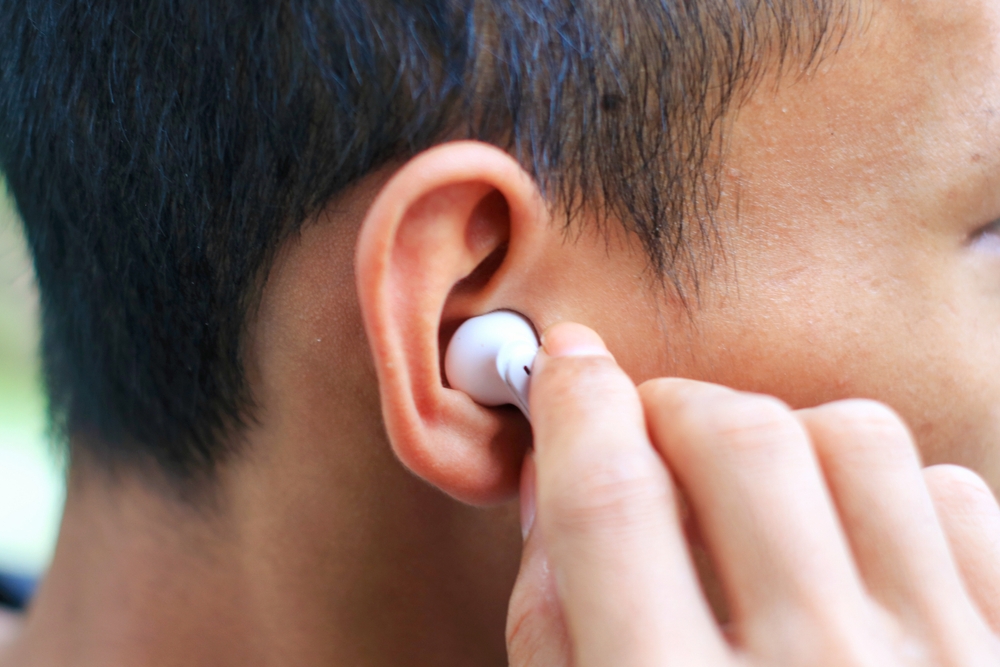
We seldom encounter a teenager or young adult who isn’t currently using a personal audio device. Headphones are a bit more cumbersome, but teens still find them a way to escape from their surroundings. We all enjoy listening to music, no matter our age, but younger people rely on music to pass the time. Given their intimate position near the eardrum, are these devices a legitimate threat to our hearing? The danger is not inherent to the technology but is instead a product of specific usage habits.
Too Much of a Good Thing
The right music can induce a state of relaxation, provide spiritual comfort, or drastically boost energy levels. Depends on the music. Personal audio tech provides a convenient way to consume media without infringing on the silence of those nearby. This is a widely appreciated social habit that helps maintain a respectful atmosphere in shared transport settings.
The real questions are: how loud is too loud, and how long is too long? In reality, excessive sound pressure is universally hazardous to the delicate structures of the cochlea. When you listen for too long a time and at a very loud volume, you can irreparably damage your hearing. Because auditory decline is often a slow, cumulative process, the damage is frequently advanced before symptoms are noticed.
The Biological Impact of High-Intensity In-Ear Audio
Volume is the key danger for noise-induced hearing loss. However, the duration of the exposure matters as much as the volume.
- The National Institutes of Health (NIH) recommends listening at below 70 decibels. Even after long exposure, you won’t have any hearing loss.
- High-intensity sound waves cause cellular damage in a fraction of the time required by moderate sounds.
- Audiologists recommend the 60/60 rule: stay below 60% of max volume and limit sessions to one hour.
- You can safeguard your auditory health by reducing device intensity and monitoring your cumulative daily usage.
Recognizing the Symptoms of Auditory Damage
Experiencing aural fullness, persistent **tinnitus**, or difficulty deciphering dialogue in crowds suggests it is time for a clinical hearing test.
Schedule an appointment with our specialists if you believe your auditory health has been compromised.