December 30, 2021

Hearing aids

Does Unmanaged Hearing Impairment Increase the Risk of Depression and Anxiety?

Hearing impairment is more than a condition that affects the ability to hear—it can significantly influence emotional well-being, mental health, and overall quality of life. While hearing loss is often associated with communication difficulties, its psychological effects are equally important and frequently overlooked. From social withdrawal and frustration to anxiety and depression, untreated hearing loss

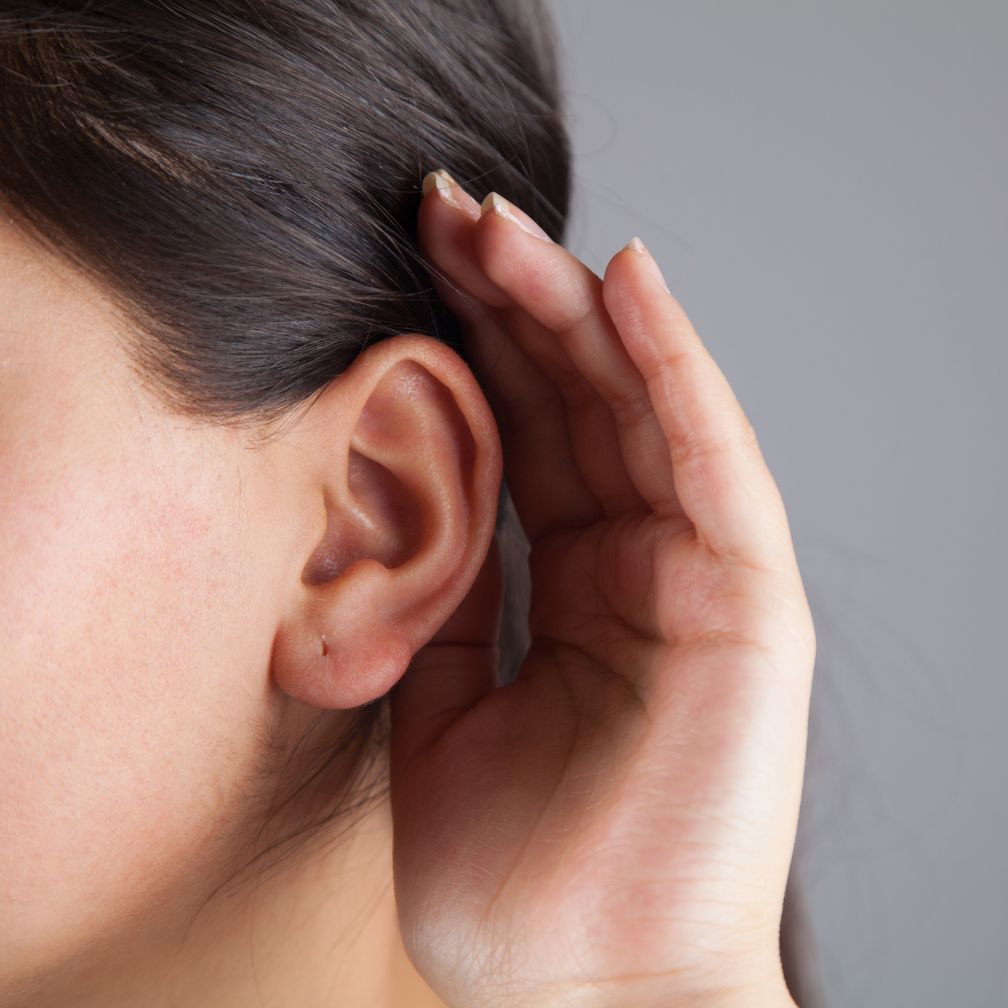
How Your Unique Outer Ear Anatomy Shapes Your Daily Hearing Experience

Perhaps you are already aware that floppy-eared canines navigate sound environments with less acoustic acuity than those with erect, triangular ears. It should come as no surprise that cats, dogs, and hamsters can dynamically rotate their pinnae to sharpen their acoustic focus on sounds originating from the front, flanks, or behind. However, these domesticated animals

Is Your Automobile Damaging Your Auditory Health? Car Noise and Hearing Loss Risk

You truly cherish the time spent in your vehicle. The independence that driving provides is irreplaceable to you, but could your choice of transport be quietly driving permanent acoustic trauma? Driven by these concerns, let’s explore how transport choices influence long-term wellness. Let’s examine vehicle-related hearing loss and some simple solutions to prevent it. Convertibles

Tinnitus at night

Nighttime Tinnitus Explained: Causes, Triggers, and Relief

After a long day, most people look forward to a peaceful night’s sleep. But for many living with tinnitus, bedtime brings an unexpected challenge. As the house becomes quiet and distractions fade away, the ringing, buzzing, or humming in the ears suddenly seems much louder. If you’ve noticed that your tinnitus is more noticeable at

How Hearing Aids Stimulate the Brain and Support Cognitive Function

Everybody knows that hearing is something your ears do. What we think less about is the role our brain plays in hearing. Your ears collect sound, but your brain interprets it, turning vibrations into words, meaning, and memories.   When hearing loss develops, the brain receives less information about sound. Over time, reduced stimulation can make listening more

Cognitive Hearing Loss When the Brain Struggles to Process Sound

Most people think of hearing as something the ears do, which is partly true. But hearing is just as much a brain function as it is an ear function.  Cognitive hearing is your brain’s ability to interpret and make sense of the sounds your ears hear. For example, you might hear someone speaking clearly, but still

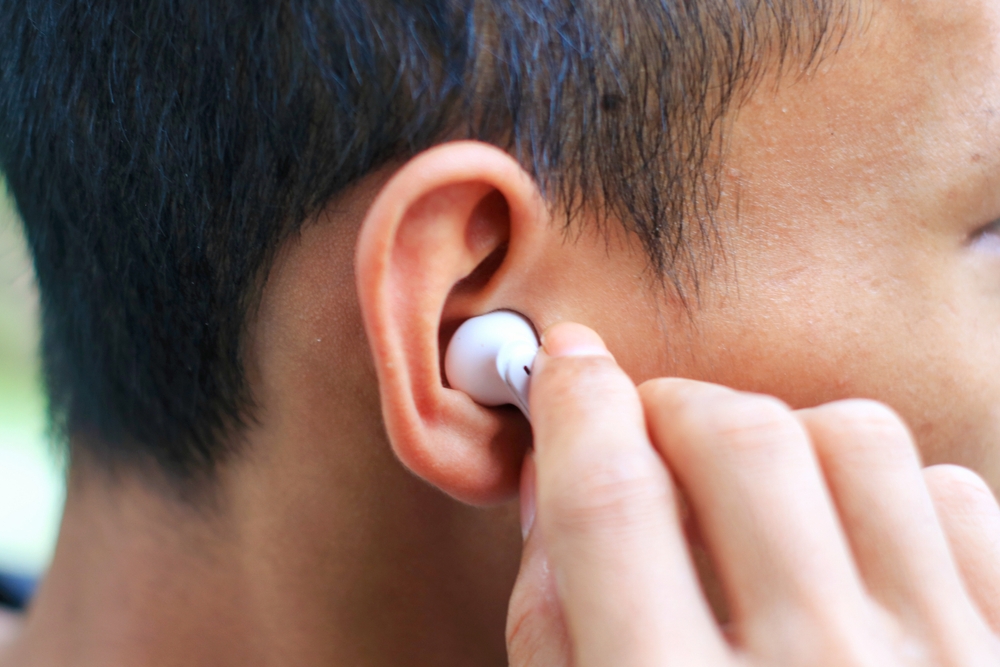
Person wearing ear buds.

Can Headphones and Earbuds Cause Hearing Loss? 

Rarely do we see a young adult in public without an earbud in their ears. Headphones are a bit more cumbersome, but teens still find them a way to escape from their surroundings. We all enjoy listening to music no matter our age, but younger people rely on music to pass the time. So, can